When a rare bird appears, communication becomes everything. In today’s birding world that usually means a flood of messages across multiple platforms: text groups, Facebook chats, GroupMe, Telegram, Discord, and more. While these tools help spread the initial alert, they can quickly become overwhelming when dozens of birders are trying to coordinate in the field. A simple alternative that deserves renewed attention is the humble FRS/GMRS handheld radio.
Family Radio Service (FRS) and General Mobile Radio Service (GMRS) radios are inexpensive, widely available, and surprisingly effective. Entry-level models can cost as little as about $20 for a pair. For the price of a field guide, you can add a reliable communication tool to your birding kit.
One of the biggest advantages of these radios is that they work completely independent of cellular networks. Many rare bird chases take place in coastal marshes, remote refuges, or large parks where cell service is unreliable or nonexistent. With an FRS or GMRS radio, communication remains instant regardless of signal bars.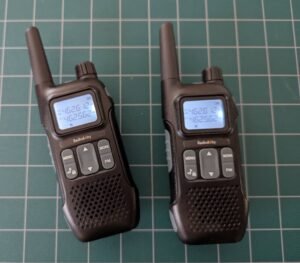
Radios also allow birders to stay visually engaged with the bird. Instead of pulling out a phone, unlocking it, opening a messaging app, and typing, you can simply press a button and speak. When you are trying to keep binoculars on a moving bird, that simplicity matters. The controls are tactile and easy to operate, even with winter gloves on during those cold-season rarity chases.
Range is another practical advantage. In most open birding locations, these radios reliably cover about a mile and often more depending on terrain. That is more than enough to coordinate between parking areas, trail systems, observation points, or different edges of a refuge.
To make radios truly effective during a chase, coordination is key. One simple strategy is to advertise a specific radio channel along with the initial rare bird alert across the various online groups. Instead of everyone juggling multiple apps, birders arriving on site can immediately switch to the agreed-upon channel for real-time updates.
Parks, wildlife refuges, and well-known hotspots could even establish a standing birding channel that visitors monitor while in the area. A shared frequency would allow birders to help each other quickly locate birds and share sightings without the constant distraction of phones.
In an era of endless digital notifications, a small handheld radio offers something refreshingly simple: clear, immediate communication that keeps the focus where it belongs—on the birds.